The Unheated Room: Britain's Church Halls and the Quiet Arithmetic of Service
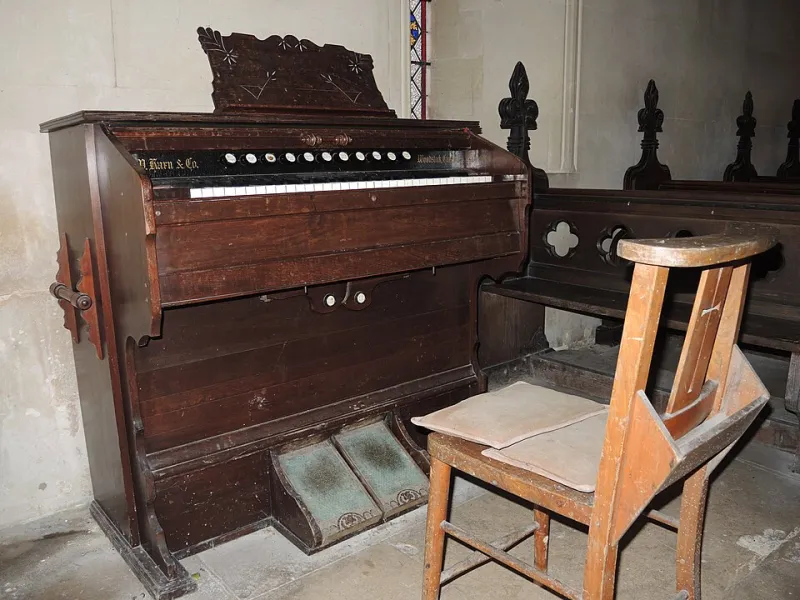
Photo: Neil Owen , CC BY-SA 2.0, via Wikimedia Commons
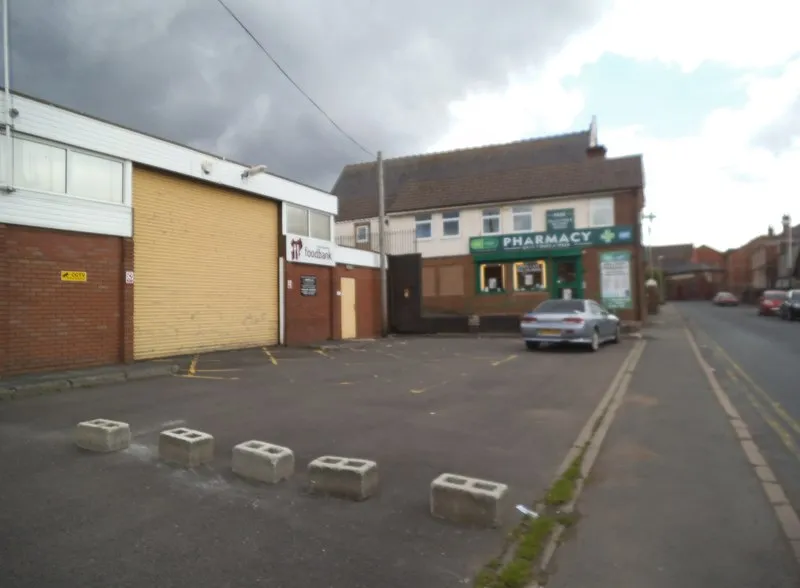
On a Tuesday morning in November, the urn in the church hall is switched on before the first toddler arrives. The caretaker unlocks the side door, checks the heating, and sets out a handwritten sign for the food bank collection. By ten, the room will hold a playgroup, a coffee morning and a meeting of a local charity. By evening, it will have been a rehearsal space for a choir and a warm space for people who cannot afford to heat their homes. None of this is worship, strictly speaking. All of it is service.
A Room That Asks Nothing
Church halls are peculiar buildings. They are rarely beautiful. They smell of floor polish, instant coffee and damp coats. Their chairs stack, their stages are too small, their kitchens were designed for a different century. Yet they are among the last genuinely neutral rooms in many British neighbourhoods: places where a parent can admit to loneliness, a pensioner can ask about benefits, and a stranger can sit down without being asked to explain himself.
The hall does not ask for belief. It asks for a rota. It asks for someone to arrive early, put out the cups, lock up afterwards and remember to turn off the immersion heater. In a society that increasingly treats public space as either commercial or regulated, the church hall remains an anomaly: a room that exists because a congregation, however small, has chosen to keep it open.
The Arithmetic of Closure
Yet the hall is under pressure. Energy costs, insurance premiums, safeguarding requirements and repairs to ancient roofs have made the maths harder. Congregations have aged. Volunteers have retired. Denominations have reviewed their estates, and local authorities have tightened their budgets. When a congregation shrinks to twenty, the roof does not shrink with it.
The decision to sell or close is rarely cynical. It is usually arithmetic. A building that once hosted five hundred people a week may now host fifty. The boiler needs replacing. The electrics fail an inspection. The insurance premium rises. The diocese or the circuit or the trustees conclude that the money would be better spent on mission, ministry or simply survival.
But the ledger is incomplete. A hall closure is not only the loss of a venue. It is the loss of a meeting place that does not require a booking fee, a membership scheme or a reason. It is the loss of the room where the jumble sale paid for the scouts, where the polling station queue formed, where the funeral wake was held because the pub was too expensive. The social cost is easy to name. The spiritual cost is harder.
Secular Parishes
Historically, the parish was a unit of pastoral geography. It assumed that people belonged to a place and that the place had a claim on them. The church hall is a residual parish. It still operates at postcode scale. It knows who is newly bereaved, who is new to the area, who is struggling. It is not a service hub, exactly, but it is an infrastructure of encounter.
That is why the language of asset transfer can feel inadequate. A community group may take on the building, and sometimes it thrives. But a hall is not merely an asset. It is a habit of attention. It teaches the neighbourhood that there is a place to go, a person to ask, a chair to sit on. A society can survive without steeples; it struggles without rooms.
The Spiritual Ledger
The case for keeping halls open is often made in social terms: isolation, food poverty, childcare, mental health. These are real and urgent. But there is a spiritual ledger too, even for those who would not use the word spiritual. Service is a discipline. It is formed by repetition, not by sentiment. The volunteer who sets out chairs for a toddler group that may not come is practising a kind of faith: the belief that the room should be ready.
This is the quiet weight of service. It is not heroic. It is the making of tea, the wiping of tables, the remembering of names. It is the willingness to be ordinary in public. In a culture that rewards visibility, the church hall asks for something else: presence without performance. That is a difficult lesson, and an increasingly rare one.
Keeping the Light On
None of this argues for keeping every hall open. Some buildings are beyond repair. Some congregations are too small to carry the burden alone. Shared ownership, fair rents and partnerships with local councils can help, but they are not a universal answer. The deeper question is whether Britain still values the kind of space that asks nothing of those who enter it.
The last volunteers are not a sentimental footnote. They are the keepers of a practical tradition: that service is local, repeatable and unglamorous. When the hall goes dark, the loss is not only a room. It is a school of unremarkable love. And in a cost-of-living Britain, that may be the most expensive thing we let go.