The Shelf That Waits: Lost Property and the Discipline of Hoping
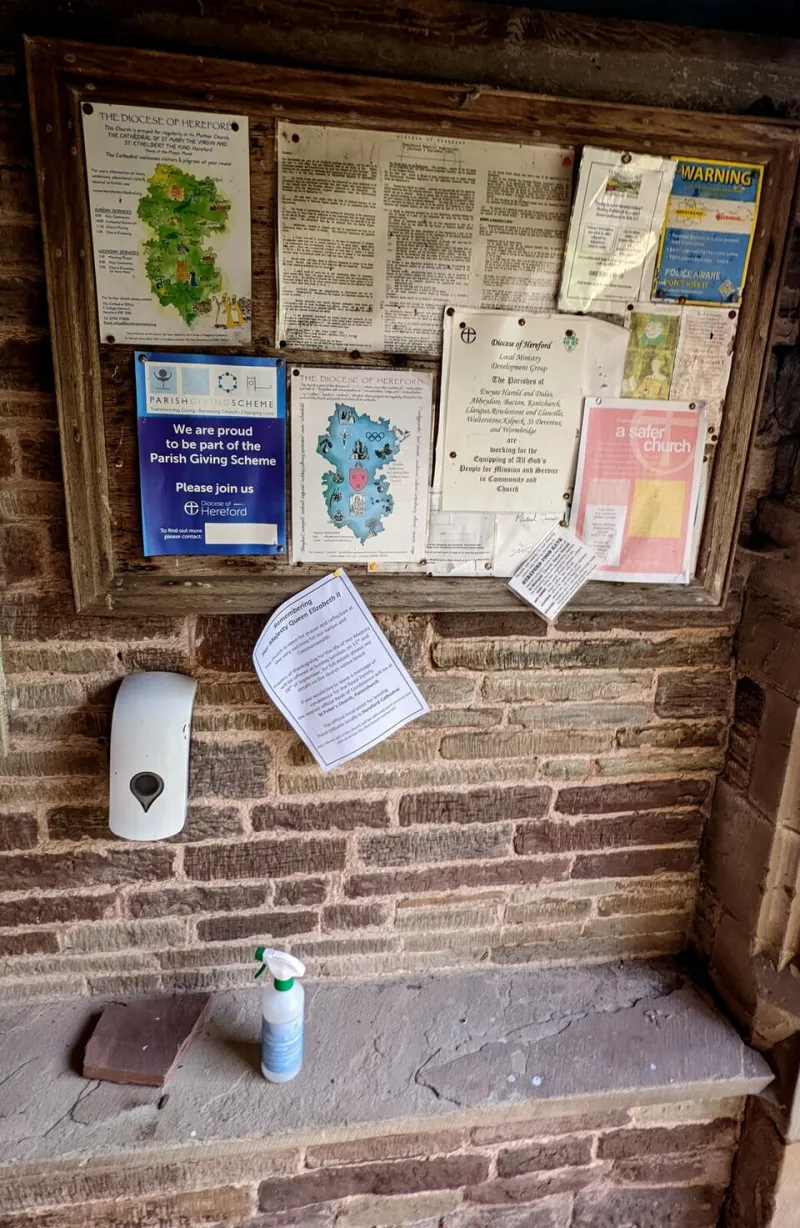
Photo: Jaggery , CC BY-SA 2.0, via Wikimedia Commons
Begin in a porch. Not a grand porch — the sort tacked onto a Victorian parish church in a market town, with a noticeboard, a pile of free newspapers and a shelf. On the shelf: three umbrellas, a folding umbrella in a broken plastic sleeve, a single brown leather glove, a pair of spectacles in a case marked with a name that has faded, a child's cardigan, and a hearing aid sealed in an envelope with a date written on it in biro. Someone has written, in careful capitals, FOUND AFTER THE WEDDING.
This is a lost property office, though nobody calls it that. It has no counter, no forms, no uniformed staff. It has a shelf and a person who cannot quite bring themselves to throw things away.
The Ledger of Small Things
In the larger versions of the same instinct — the lost property departments of the great railway stations, the transport offices, the left luggage desks that survive in the corners of our cities — the practice becomes a small bureaucracy of hope. Items are numbered. Described. Bagged. Dated. The language is deliberately flat: one brown glove, left hand, found in the second carriage, 14 January. Flatness is a form of fairness. A description cannot favour the person who will come looking.
And yet the flatness is also, if you sit with it, strangely moving. Somebody sat down with a form and a pen and decided that this object — this ordinary, cheap, replaceable object — was worth a line in a book. Worth a shelf. Worth a fortnight, a month, ninety days. Worth the small administrative labour of waiting on the chance that a stranger might one day walk in and describe it accurately enough to be given it back.
Britain has been doing this for a long time. The instinct is old enough to feel like part of the civic furniture, though it is not inevitable at all. Plenty of institutions bin the umbrella. The keeping is a decision, repeated by underpaid people in small rooms, year after year.
What We Keep For Strangers
Consider what the shelf actually contains. Almost nothing of value. The items that matter — the passport, the phone, the wallet — are usually reunited within days, and often with relief on both sides. What remains is the residue: the glove without its pair, the reading glasses, the scarf left on the back of a chair after a funeral tea, the plastic box of cakes that nobody wanted to carry home.
These are the objects of the second tier of loss. They are not the things we panic about; they are the things we notice, briefly, a week later, and then stop noticing. And that is precisely why keeping them is interesting. To catalogue a lost umbrella is to take seriously a category of human experience that the world generally agrees is trivial.
There is a theological word for this, though the volunteers would not use it. They are practising a form of attention that refuses to sort the world into the important and the disposable before it has to. The woman sweeping the house for her lost coin did not sweep because the coin was valuable. She swept because it was hers, and because the loss of the small thing had got into her. Ten coins, one lost, and the whole house turned over.
An Argument Against Disposal
The pragmatic case for throwing things away is strong. Storage costs money. Unclaimed property accumulates. Any sensible review would conclude that a box of single gloves is a poor use of a cupboard.
But disposal is not merely a practical act. Disposal is a verdict. To throw something out is to declare the matter closed — to say, on behalf of the owner, that they will not be coming. Somewhere in the mind of the person who keeps the shelf, that declaration feels like it is not theirs to make.
So the items wait. Not because anyone expects a rush of claimants, but because the alternative is a small act of presumption. The keeper of the shelf is, in the most modest sense, holding a door ajar. It costs almost nothing. It says almost everything.
The Limits of Recovery
It would be dishonest to end here, in the warm light of reunion. Most of it is never claimed. The shelf fills and is eventually emptied into a charity bag, and the charity shop receives a brown glove it cannot sell. The honest keeper knows the odds. They are not optimists; optimism is a prediction, and predictions about umbrellas are reliably poor.
What they are doing is closer to faith — the sort that does not require a good forecast. Faith of this kind is not a claim that everything will be recovered. It is a refusal to act as though it certainly will not. The difference is fine, and it is the whole of the thing.
The Shelf That Waits
Go back to the porch. The light through the window is failing at four o'clock now. Someone will come on Sunday, unlock, check the shelf, note a fresh addition, and leave the box where it is.
Nothing will happen. That, in a sense, is the point. Somewhere in Britain, in a building that costs money to heat, a stranger's glove is being kept safe on the off-chance — a small, unpublicised declaration that the world is not finished with it yet, and neither are we.