The Cool Box in the Dark: Blood Bikes and the Mercy That Keeps No Hours
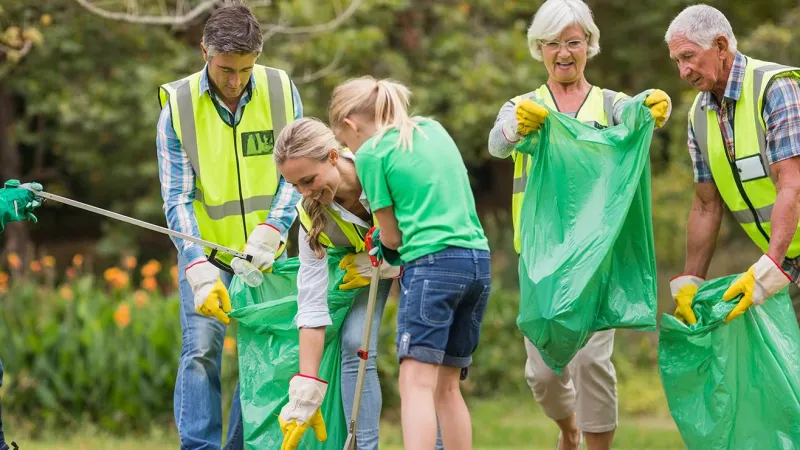
Photo: volunteer blood bike rider motorcycle night hospital cool box UK, via www.barclays.co.uk
At twenty to three on a January morning, a pager sounds in a bedroom somewhere in the English Midlands. It is not an alarm clock, and it is not a summons to paid work. It is a request: a hospital has a sample that must reach another hospital before the day begins, or a unit of blood that cannot wait for the first train. The rider gets up. The kettle is not switched on. The cool box is checked. The bike is wheeled out into the cold.
This is the night shift nobody pays for. It is made up of volunteer riders attached to Britain's blood bike charities — the groups with names like SERV, Freewheelers and the Blood Bikes — who carry blood, plasma, platelets, samples, donor milk and medical supplies between hospitals, hospices and laboratories when the NHS's own transport is not running. The journeys are rarely dramatic. They are logistical, repetitive and cold. A rider may pass a hospital's loading bay at four in the morning, hand over a box, sign a form, and turn for home. The patient at the other end is never met.
A summons with no name attached
What distinguishes the blood bike from the ambulance is not speed but silence. They do not carry sirens; they carry cool boxes. Their blue flashing lights, where they are permitted, are less a claim to priority than a request to be seen. The work is urgent without being theatrical. It belongs to the same family of quiet tasks as the overnight courier, the on-call plumber, the district nurse crossing a dark car park: the labour that keeps a society upright while most of it is asleep.
The pager is the crucial object. It turns a bedside table into a threshold. A rider may have worked a full day, may have children who will wake at six, may have a bike that needs a new rear tyre. None of this is entered into the ledger. The call arrives, and the answer is either yes or no. The charity's rota is a promise, but the promise is made by people whose sleep is a finite resource.
The ledger that does not balance
Volunteers give their time, their sleep and often the running costs of their own machines. Some charities reimburse fuel; many riders absorb the rest. This is not a loophole in the health service, nor is it a secret subsidy that can be neatly priced. It is a gift that the accounts do not capture. In daylight, the NHS speaks in targets, pathways and winter pressures. At night, the vocabulary is different: pager, thermos, motorway, the small etiquette of the handover. The unpaid hour is not less real because it is unmeasured.
There is a temptation, in writing about such things, to make a spectacle of the volunteer. That would be a mistake. The riders are not saints, and the charities do not ask them to be. They are ordinary people with a particular willingness to be inconvenienced. Their service is not heroic in the sense of risking life; it is heroic in the older, quieter sense of repeatedly answering a call that could be left unanswered. The distinction matters. A society that can only admire heroism will struggle to reproduce the ordinary habits that make heroism unnecessary.
The stranger at the end of the road
Service of this kind is pure because it expects nothing back. The rider will not meet the patient, will not hear the diagnosis, will not be thanked at the bedside. There is no reciprocity, no visible transaction, no warm glow of recognition. The work is done for a stranger who will never know the rider's name. This is the quiet weight of things: a stranger's sleep interrupted for a stranger's need.
Faith traditions have long insisted that the worth of an act is not exhausted by its visibility. The cup of cold water, the visit to the prisoner, the coat left at the door: these are not merely charitable gestures but a way of describing what human beings owe one another. The blood bike rider is not usually thinking in those terms at three in the morning. There is a form to sign and a road to watch. But the shape of the act is unmistakable. It is service without an audience.
Winter, and the arithmetic of readiness
The winter of 2026 has reminded Britain of how fragile the ordinary machinery of care can feel. Hospitals under pressure, transport delayed, staff stretched: the language of crisis is familiar. Blood bikes cannot solve any of this. They patch. A patch is not a solution, but it is a moral category. It is what people do when the system is not enough, and it deserves to be named as such rather than absorbed into the general atmosphere of gratitude.
Gratitude is not a funding model. A society should ask why it depends on the interrupted sleep of volunteers, and whether that dependence is fair. The question is not a criticism of the riders; it is a criticism of the assumption that goodwill can be indefinitely drawn upon. Yet asking the question is not the same as dismissing the gift. Both truths must be held: the volunteers are doing something admirable, and the arrangement is not fully worthy of them.
What the night teaches the day
By seven, the roads fill and the city resumes its daylight language. The rider sleeps, or goes to work, or takes the children to school. The pager may sound again tonight; it may not. The cool box sits by the door. Nothing about the morning suggests that anything unusual happened in the dark.
But something did. A stranger's need was met by a stranger's inconvenience. The patient will never know the rider's name, and the rider will never know the patient's. That anonymity is not a flaw in the story. It is the story. Who turns out when no one is watching? The answer is part of our common life, and it is made in the dark, one cool box at a time.