The Tin by the Gate: Roadside Eggs and the Ledger We Keep in Hope
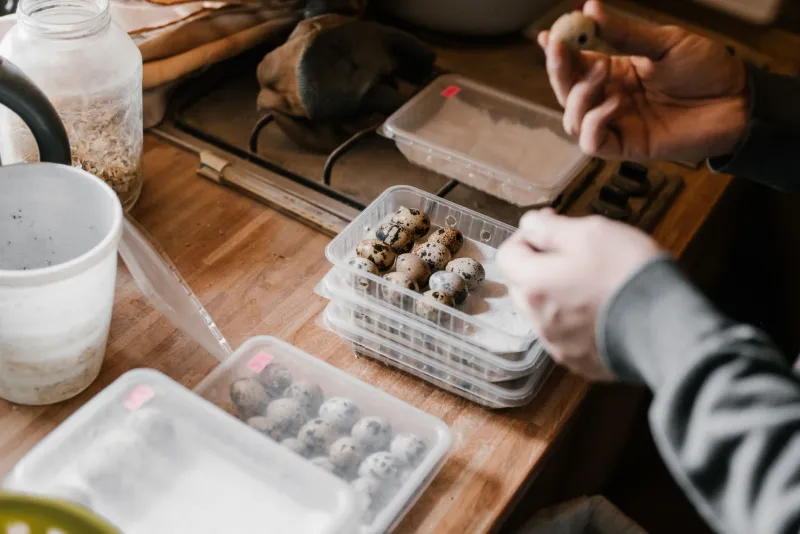
At the edge of a village, where the pavement gives out and the hedge begins, there is a table. It is not much of a table: a pasting board on trestles, a cool box, a hand-lettered card. Eggs, says the card. £1.50. Exact change appreciated. Beside it sits a tin, often an old biscuit tin, sometimes a jam jar with a slot cut in the lid. There is no camera, no receipt, no assistant. There is only the arrangement itself and the passer-by who pauses, lifts the lid of the box, counts out six eggs and leaves coins in the tin.
This is an ordinary scene in rural Britain, and it is also a rather extraordinary one. The honesty box is a commercial transaction with the supervision removed. It prices a dozen eggs, but it also prices a stranger: it sets a value on the likelihood that a person will do the right thing when no one is watching. In 2026, when so much buying and selling has become frictionless, tracked and pre-authorised, the roadside box feels almost archaic. It is also a quiet act of faith.
The Price and the Person
Setting a number on eggs is unremarkable. Leaving the change unattended is not. The honesty box depends on a shared understanding that the coin in the tin is not merely payment but participation. The buyer is not simply taking produce; they are keeping a small promise on behalf of the seller, and on behalf of the next person who might come along. The arrangement works because most people most of the time are not thieves. It also works because the seller has decided, in advance, that this is a risk worth taking.
That decision is not naive. Farmers and gardeners who leave boxes by their gates know that shortfalls happen. Coins are miscounted. A child takes an egg and forgets to pay. Someone genuinely has no change and promises to return, and perhaps does. The interesting thing is not that the tin is sometimes light. The interesting thing is that the box usually remains. The seller absorbs the loss and sets the table out again. In that small repetition there is a moral claim: suspicion will not be allowed to set the terms of the day.
Change, Exact and Otherwise
The phrase exact change appreciated is a small confession of human limitation. It asks for cooperation without coercion. It acknowledges that the seller cannot be present at every transaction, and that the buyer may not have the right coins. The tin becomes a place where small inconveniences are negotiated in good faith. A pound coin and a fifty-pence piece are dropped in; perhaps a note is folded and weighted under a stone. The arithmetic is simple, but the grammar is not. It is the grammar of mutuality, in which both parties accept a measure of vulnerability for the sake of a common good.
Some boxes now carry a QR code, a laminated square taped to the table. Others remain stubbornly coin-operated. The clink of change has not disappeared from the countryside, and there is something to be said for its persistence. A coin in a tin is a public sound of private conscience. It can be heard by no one in particular, and yet it registers. It says that a person stopped, considered and paid.
The Shortfall and the Hope
What happens when the tin is light? Some sellers keep a notebook. Some never check. Some quietly move the box nearer the house, or add a sign asking for correct change, or give up altogether. The honesty box is not a policy; it is a wager. It assumes that trust is a practice rather than a guarantee, and that a community is built by repeated small decisions to act as though others will do the right thing.
In Christian terms, this is a modest analogue of grace. It is not the suspension of justice, nor a refusal to name wrongdoing. It is the refusal to let suspicion become the first principle. The seller does not pretend that everyone is honest. The seller decides that honesty is still worth making room for. That is a form of hope, and hope is always a little inefficient. It leaves itself open to being wrong.
A Small Public Square
The honesty box is a public square no wider than a kitchen table. It makes a claim that is easy to forget in a world of gates, cameras and delivery notifications: people are not only consumers, and neighbours are not only risks. The person who fills the box serves people they will never meet. The buyer serves the seller by keeping faith. Neither may ever learn the other's name. The transaction is small, but the trust is not.
In 2026, with food prices still keenly felt and rural isolation a persistent concern, it would be understandable to lock everything away. The box says otherwise. It says that a community can still be held together by a tin, a card and a willingness to believe the best of the person at the gate. Tend the tin. Not because it is efficient, but because it is hopeful.