The First to Arrive: Keys, Codes and the Trust of the Everyday Threshold

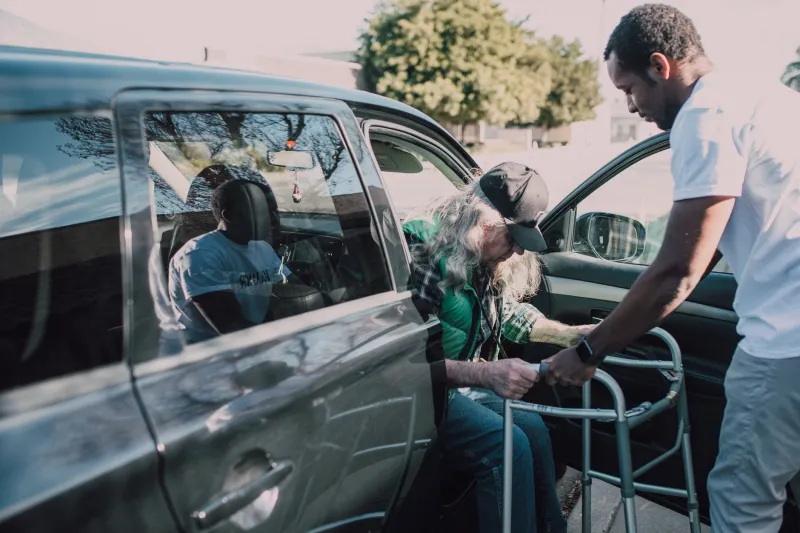
Photo: volunteer unlocking village hall door early morning keys community centre, via s3-media0.fl.yelpcdn.com
The hall is dark at twenty to seven. The car park has two spaces, one of them occupied by a car with a boot full of folding chairs. Inside, the air is that particular cold of a building that has been empty since Thursday. The keyholder walks the length of the corridor without turning on the main lights, because they know where the switches are and the order in which the building wakes up: vestibule, corridor, kitchen, main room. Then the boiler. Then the alarm panel, which needs a code and, if the code is entered too slowly, will begin to complain in a loud voice.
By seven o'clock there will be thirteen people and a tea urn. Between now and then, one person will have performed a small, invisible, indispensable act of service, and no one will mention it.
Six Minutes Before Seven
The role is usually described in one line on a rota: keyholder. It sounds like a title from an older England, and in some ways it is. But it is still the mechanism by which a great deal of British communal life actually happens. The church hall with the sprung wooden floor. The village room above the old school. The community centre built in the 1970s and never quite finished. The scout hut. The institute with its chairs stacked in the order the committee prefers.
All of these buildings run on trust, and trust has a physical form. It is a key on a ring, or a code shared in a text message, or a fob that has to be handed back when someone moves away. Whoever holds it can open the building at any hour. That is a considerable power, granted with startling casualness, usually at the end of an Annual General Meeting when everyone is tired and someone asks whether anyone would mind.
What the Key Actually Opens
A key is not just a shape that fits a lock. It is an authorisation. It says: you may be the first person here, and you may be the last to leave, and in between we will not check on you.
The trust is not misplaced often enough to be remarkable, which is itself remarkable. Halls are not vandalised by their keyholders. The urn is not stolen. The float from the coffee morning comes back to the treasurer in an envelope with the right number in it. This is a thin, unglamorous form of social capital, and it is worth noticing that it holds.
The Cold Radiator
Most of the work is thermal. A hall that has been shut for two days is cold in a way that takes planning to remedy. The experienced keyholder arrives early enough for the radiators to do their slow work before the older members of the lunch club come in. They also know which radiator ticks, which window sticks, which door needs lifting slightly as you turn the key, and which of the two taps in the ladies' must be turned off with more force than seems polite.
This knowledge is never written down. It is passed on, occasionally, in the last ten minutes of a handover, in the manner of a family recipe. Much of it will be lost when the person who holds it stops holding it.
Trust Without an Audience
The keyholder's vocation is almost entirely unwitnessed. Nobody thanks the person who unlocked the door, because by the time anyone arrives the door is simply open — the building appears to be functioning, like weather. There is no moment of visible service, only the absence of a problem.
That is a difficult kind of work for human beings, who are generally sustained by acknowledgement. And yet it is the shape of a great deal of what keeps ordinary life going: the person who checks the defibrillator cabinet, who tops up the hand towels, who notices the smoke alarm light has gone out, who rings the plumber before the leak reaches the ceiling tiles. None of this is heroic. All of it is load-bearing.
The Last One Out
The closing shift is longer. Chairs are not returned to exactly the right stack; there is always one left out. The urn must be emptied and left dry, or it will taste of metal on Tuesday. Windows closed and, in summer, the ones that must be left slightly open. The lights, in order, in reverse. The hesitation at the door — taps, urn, windows, lights — a small litany recited by thousands of people every week in buildings with no congregation to hear it.
Then the alarm, armed with the same code, and the door pulled hard to make sure the lock has caught. The car park is empty. The hall is dark again, and warmer than it was.
A Small Creed of Reliability
It is fashionable to speak of community in terms of events: the fete, the supper, the service, the gathering. But community is more often a matter of maintenance — of people who turn up when nothing is happening and make sure the conditions for something to happen still exist.
Reliability is not a glamorous virtue, and it is not usually listed among the great ones. But it is close to faithfulness, and faithfulness is largely a matter of returning. The keyholder returns, week after week, to a cold corridor and a code that must be entered slowly, and in doing so keeps a door that other people will walk through. The door is not theirs. That is precisely why it matters that they open it.